

THE TERM
What is wrong with sound healing
Sound healing is the phrase the field uses. It is what people type into a search bar, it is on most of the flyers, and it is probably how you got to this page. I call the same work sound meditation, and the reason is not that one phrase sounds more modest than the other.
Alexandre Tannous has written the clearest version of this argument I know. The point he makes is that the trouble is not the word healing. It is the model the word arrives with.
The model the word brings with it
Healing in this sense comes out of Western medicine, and Western medicine divides a room into two people. One of them has the training and the equipment. The other one has the problem. The first does something to the second, and when the second gets better, the first is given the credit. That is a fair description of setting a broken arm. It is a poor description of what happens when somebody lies down on a floor in a room full of instruments.
Tannous puts the cost of it plainly: “There is an expectation on both sides of the interaction that the client is a passive recipient of ‘healing’ from the practitioner.” Use the phrase long enough and both people in the room start behaving as though it were accurate. The practitioner performs. The participant waits to see whether it worked.
Why the name changes the room
That matters more than the vocabulary does, because the person on the floor is the one doing the work. What sound gives them is something to hold their attention that is not their own thinking. Everything after that is theirs. The job of the person with the mallet is to keep the conditions good and then get out of the way.
Every one of the five things below is a version of the same move. Each one takes something that belongs to the participant and hands it to somebody else, or to a machine, or to a chart on a wall. Once you have seen that, they stop looking like five separate complaints.
THE FIVE
What to notice
None of these proves anything on its own. Each one is a reason to ask a second question.
- 01 They call themselves a Sound Healer
- 02 The training is called a Sound Healing Training
- 03 Crystal bowls taught as the chakras in C major
- 04 A loop pedal running under the session
- 05 The outfit, the lighting and the photogenic instruments
01
They call themselves a Sound Healer
On its own this is weak evidence, and that is worth saying before anything else. Most people using the phrase picked it up from the room they trained in and have never had the question put to them. Put it to them and they think about it for a moment, and that is the end of it.
What matters is the answer. Some have thought about it and kept the word because the bookings are there, which is a decision about marketing wearing the clothes of a decision about language. Some mean it literally. They believe the sound heals people, or that they do, and that is the one to take seriously, because a person who thinks they are the healer will run the room like one. The participant gets handed the passenger seat in their own experience and told it is a gift.
There is a third thing the word does quietly. It promises a result, and somebody who arrives expecting one will spend the hour checking whether it has happened yet.
Instead Ask what they call this work and why. Anybody who has thought about it has an answer ready, and it takes them about a sentence.
02
The training is called a Sound Healing Training
One practitioner using the word has made one decision about themselves. A school using it makes that decision on behalf of everybody who pays, puts it in the name of what they graduate with, and sends them out to say it to their own students. The word stops being a habit and becomes a lineage.
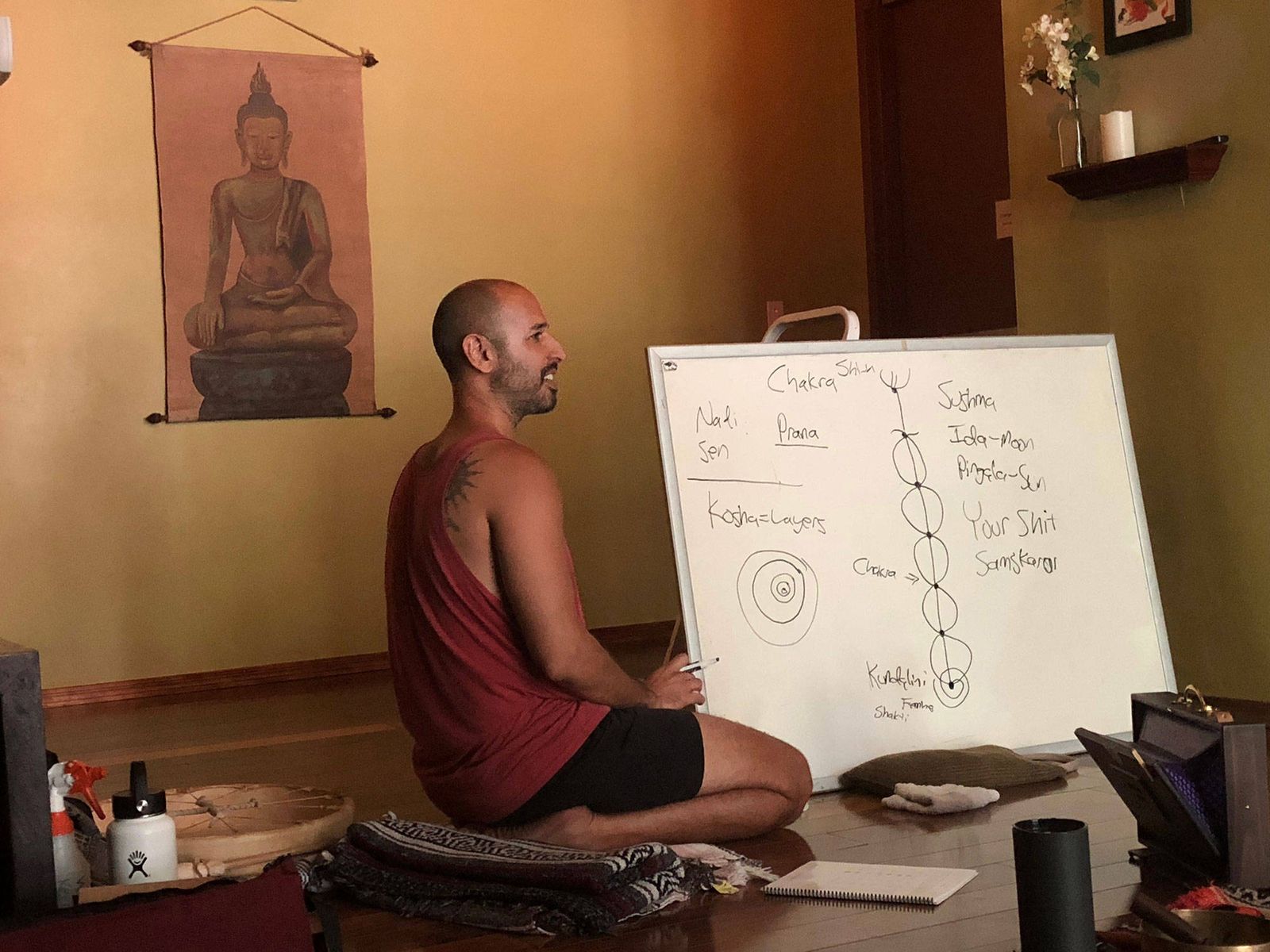
I would not want a training to ban the phrase. I would want it to spend ten minutes on it. Every graduate meets the word the week they leave, on a flyer or in a booking form or from somebody asking to be healed, and a school that has never raised the question in front of them has left them with nothing to say. A curriculum that has not examined its own central noun is usually not examining much else either.
There is a paper test as well, and it takes one search. Yoga Alliance restricts therapy language in what it accredits, and every continuing education provider agrees not to teach diagnosis or treatment. In practice the screening is automatic and it is wider than the written policy reads. Submit an outline carrying therapy or healing and the system rejects it. I have tried. So a sound healing training advertising Yoga Alliance approval is advertising something that cannot be true.
Instead Ask a school where in the syllabus its own vocabulary gets discussed, and check any accreditation it claims.
03
Crystal bowls taught as the chakras in C major
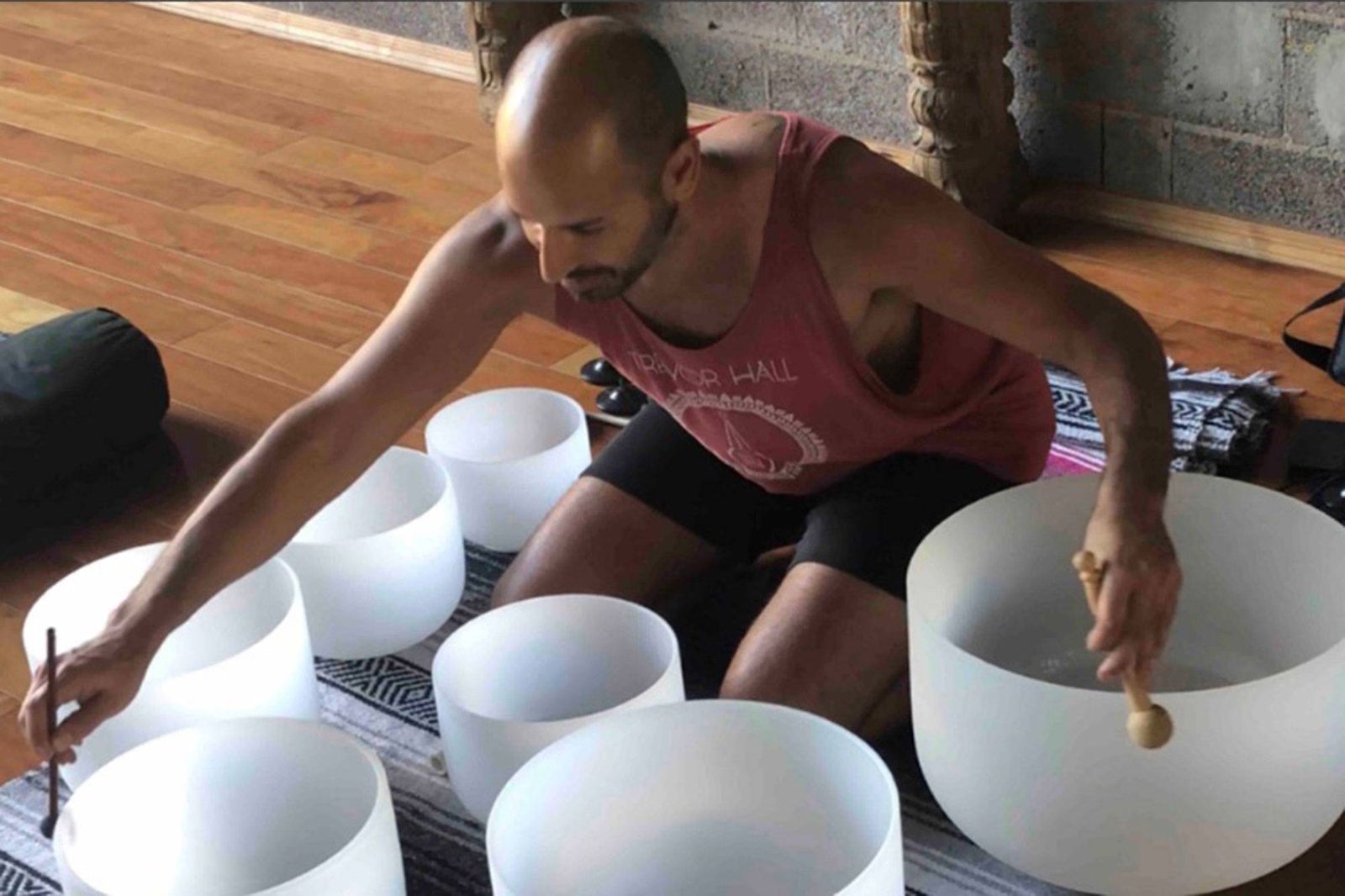
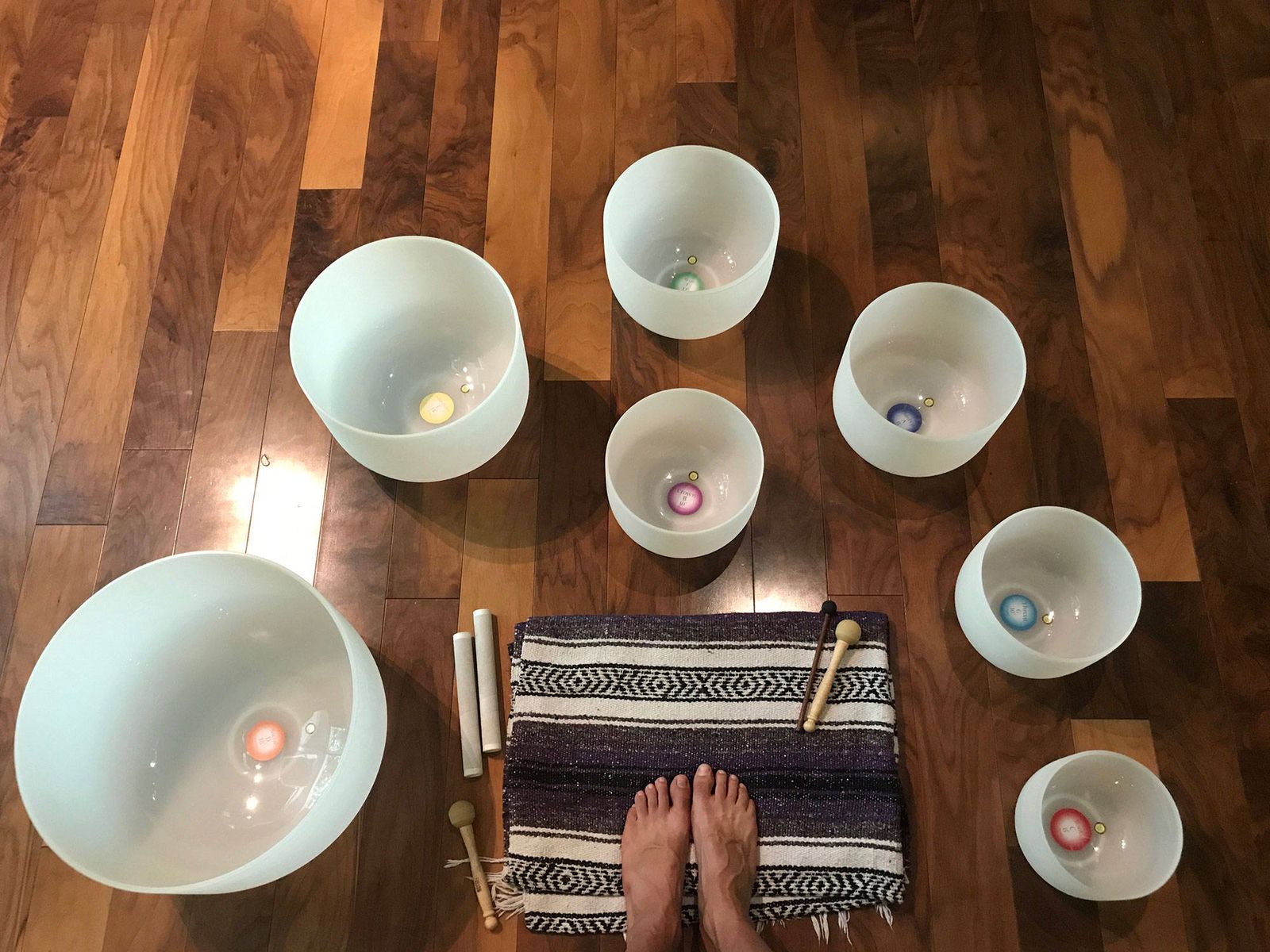
Seven frosted bowls, C at the root and up the white notes to B at the crown. It is on the charts, on the labels, in the shop and in most beginner trainings, and it is taught as something that was found rather than something that was assembled.
It was assembled. The chakra systems are old and they do not agree with one another about how many centres there are or where they sit. Equal temperament, which is what makes a note C instead of something a little to one side of C, is about a hundred years into general use. Nothing joined the two until a company with sets of seven bowls to sell joined them, and it worked, because seven bowls are easier to sell than one.
Teaching the arrangement is fine and probably necessary, since a student will meet it in every shop they walk into. Teaching it as a fact is the flag, and what it costs the student is their own ear. Somebody who knows a bowl is the heart because the sticker says F has stopped listening to the bowl.
Where these bowls actually come from, what the glass is, and how a set of seven gets put together. Read what a crystal bowl is
Instead Put two bowls next to each other and listen for what changes. That is the skill the chart stands in for.

04
A loop pedal running under the session
A loop pedal records a phrase and plays it back on a fixed cycle. One person can fill a room with it inside a minute, it sounds enormous, and people come out saying they enjoyed it. That last part is why it keeps selling.
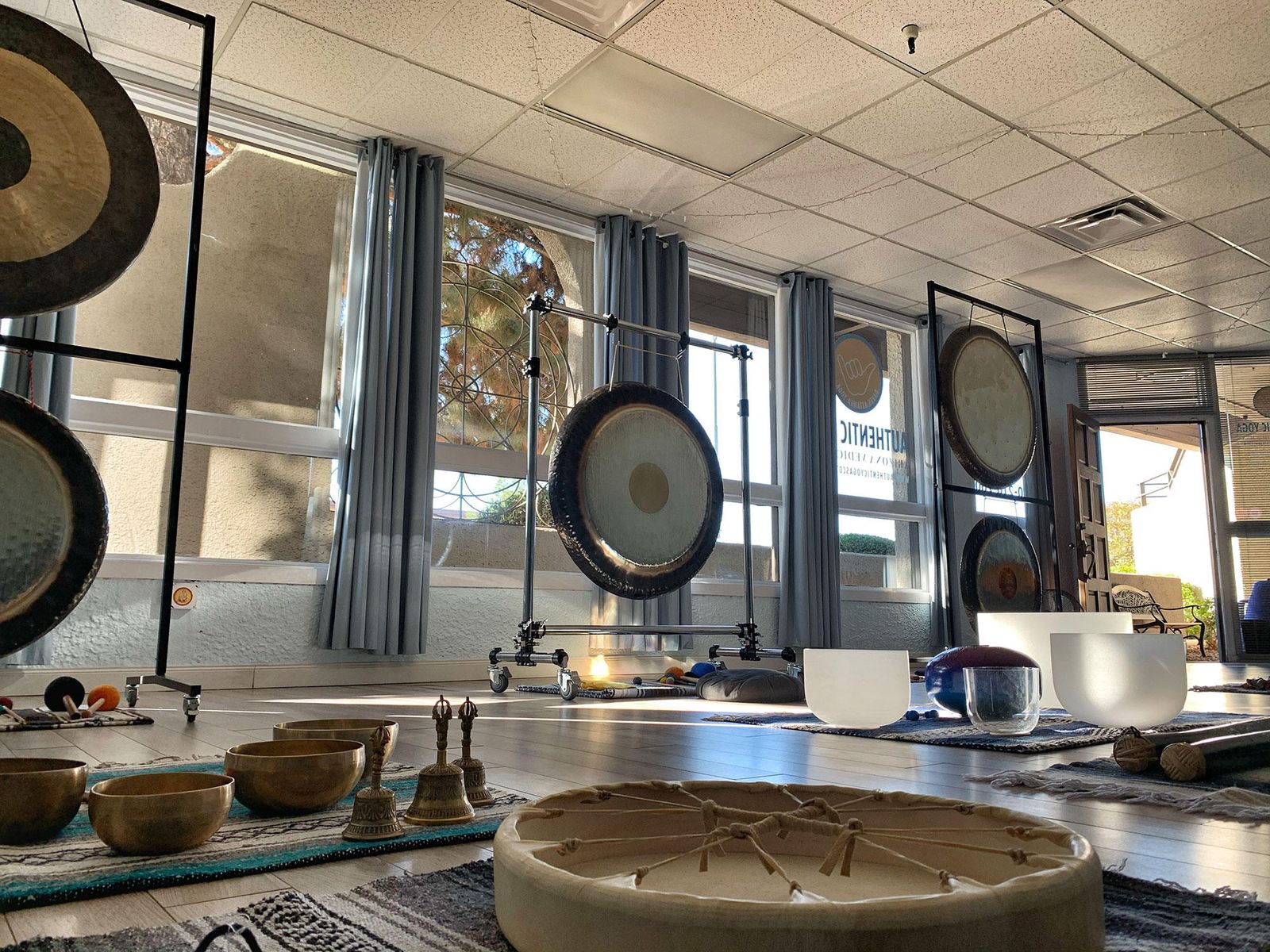
A loop is predictable, and prediction is the thing you were trying to get underneath. A mind that can guess what is coming keeps a small part of itself awake to do the guessing, and that is the part you were hoping would let go. Instruments played by hand never quite repeat. Strike a gong the same way twice and it does not give you the same sound twice, and that small unreliability is what lets attention stop bracing.
There may be a way to use one that works. I have not come across it, and I have been listening for it.
Instead Listen for whether anything in the room repeats exactly. If it does, your attention will find it and hold on.
05
The outfit, the lighting and the photogenic instruments
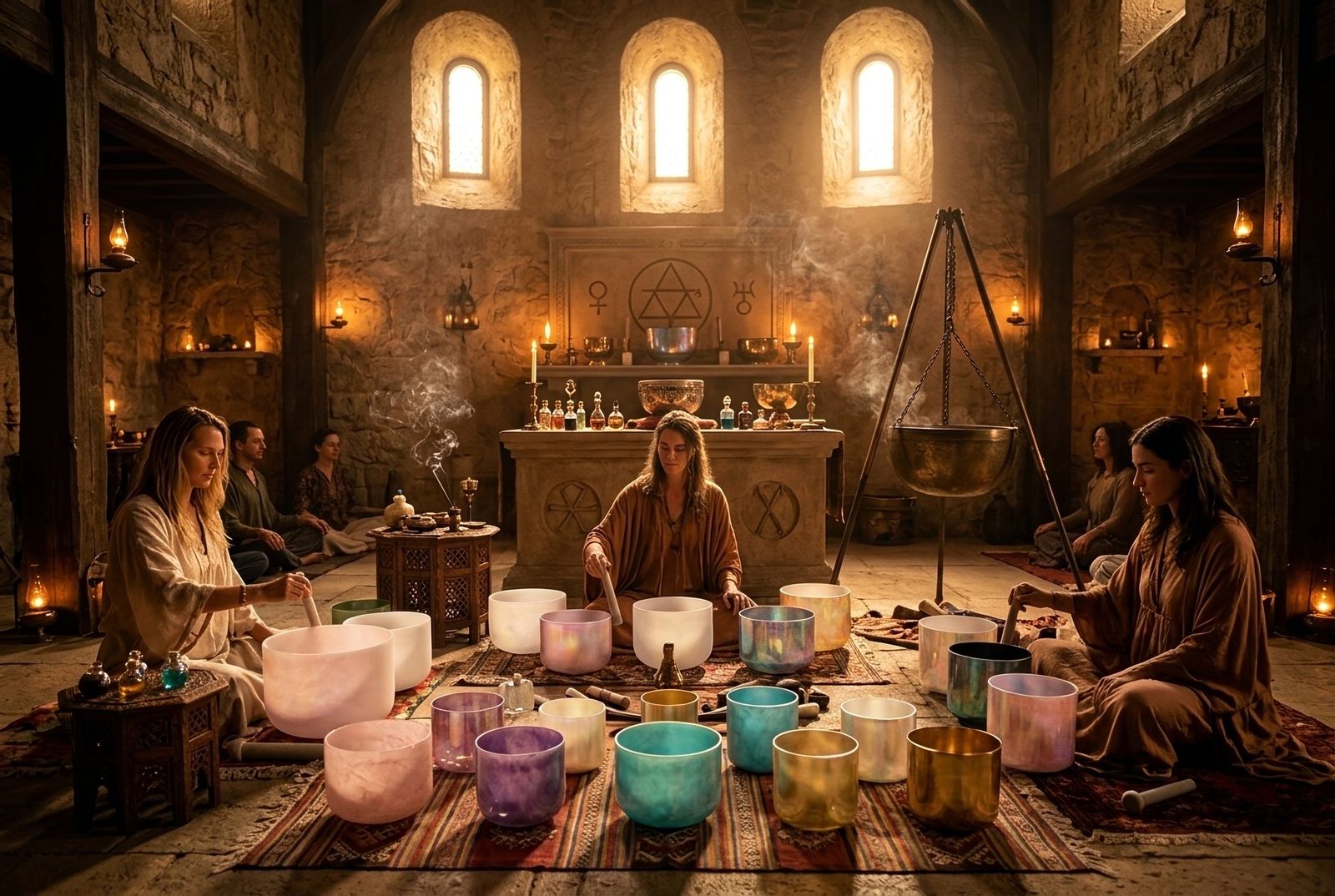
Sound is taken in with the eyes closed. Whatever has been arranged for you to look at has stopped working ninety seconds into the session, which makes it an odd place to have put the effort.
A beautiful instrument can also be a good one, and dressing well is not a character defect. What is worth noticing is where the practice went. Assembling a room of things that photograph well and learning what two of them do to the air are different projects, and the second one takes about a decade longer. When the styling is carrying the presentation, it is fair to wonder what is carrying the session.
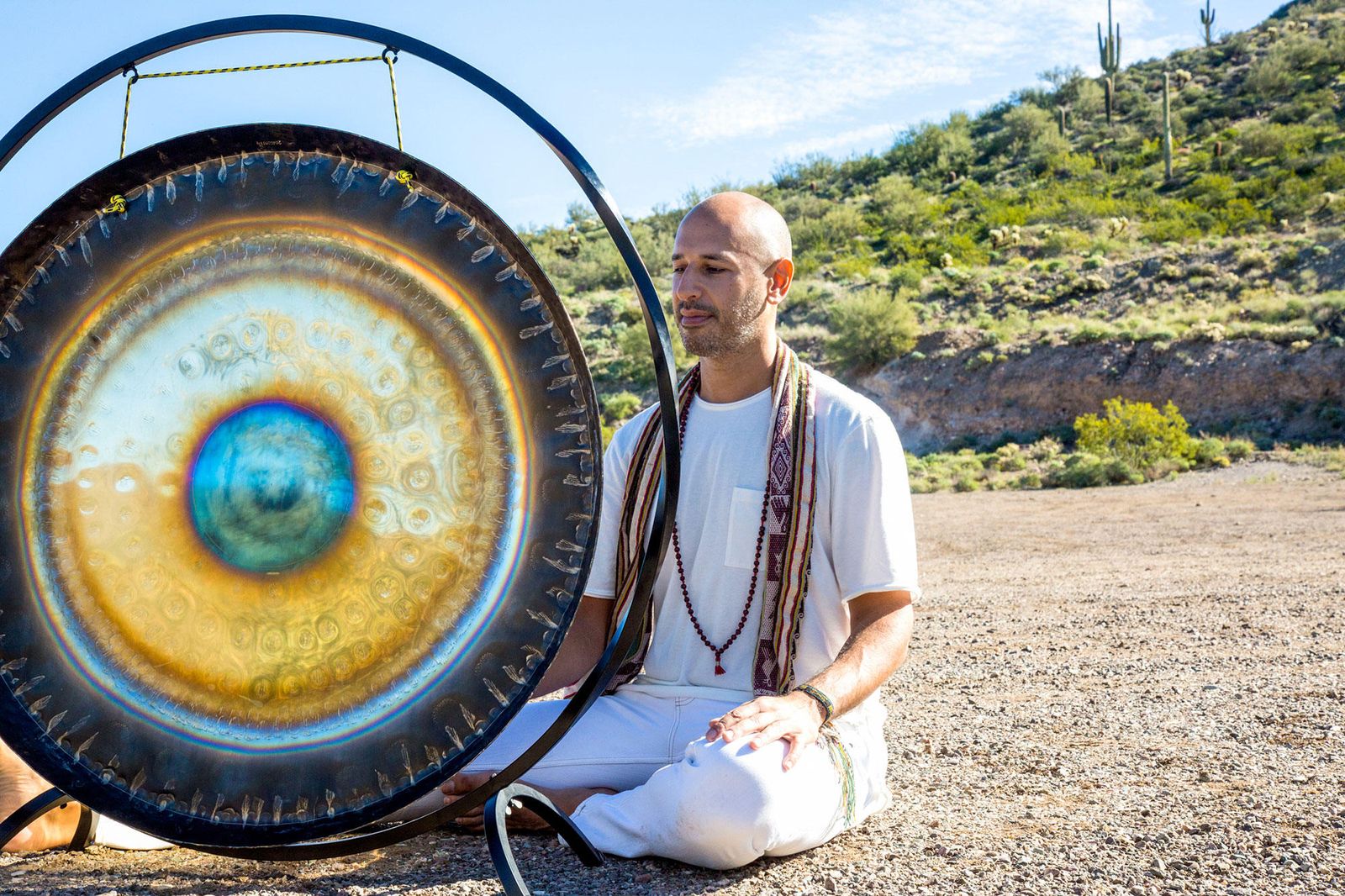
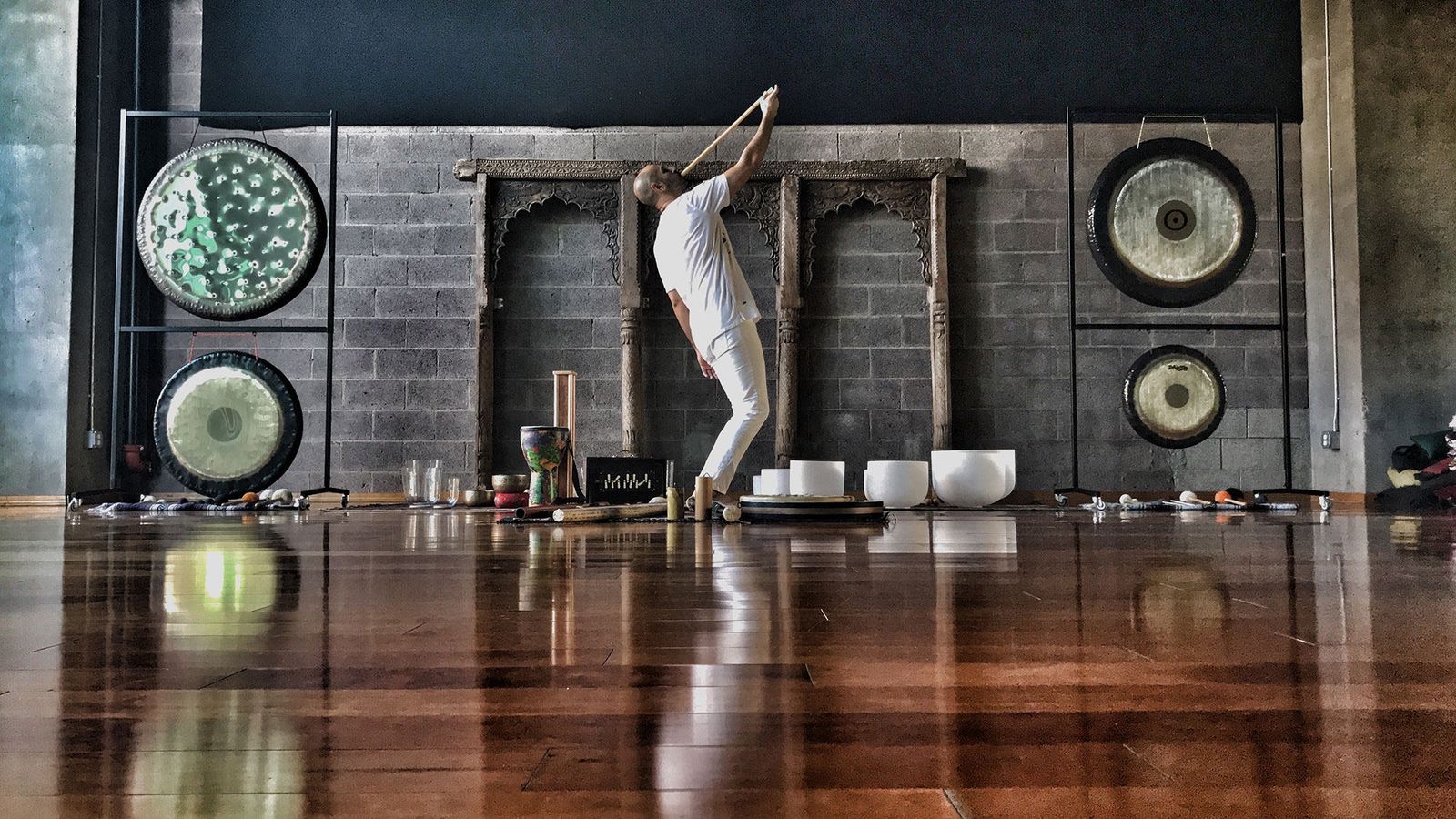
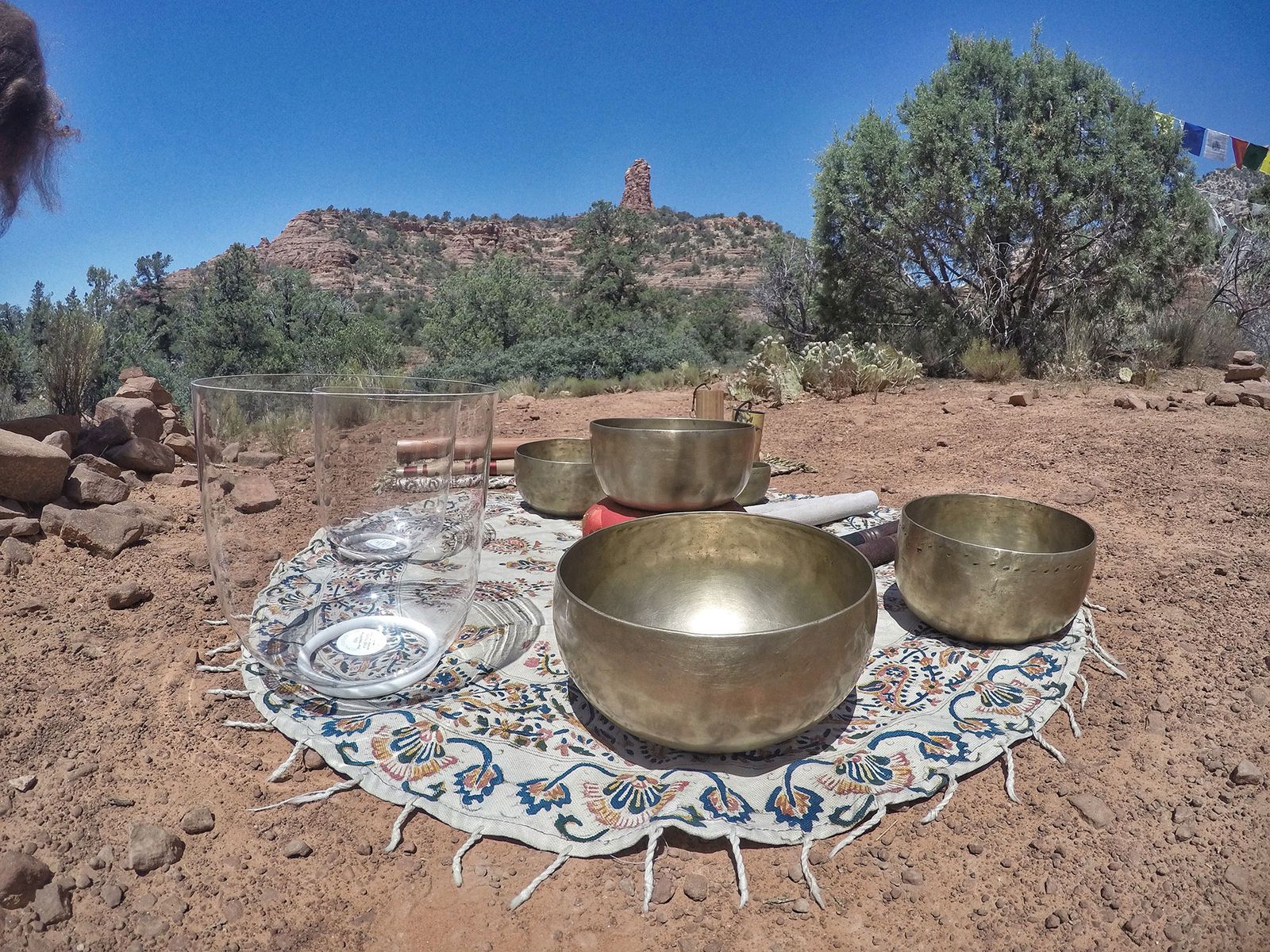
The instruments that do the most are often the plain ones. A hammered brass bowl that looks like something you would cook in will hold a room that a shelf of matched crystal will not, and the difference is entirely in the hands holding the mallet.
Instead Watch somebody play one instrument for five minutes. Skill is audible, and it does not photograph.
THE VOCABULARY
What the other names tell you
The names are not interchangeable and they are not only a matter of taste. Somebody I know saw sound bath on a resort spa schedule and did not go, because she did not own a swimsuit. Nobody needs a swimsuit. The word kept her out of the room, and that is what a name can do.
HONEST
Sound meditation, gong meditation
Descriptive and true. It names the instrument, it names the activity, and the activity belongs to the person doing it. Anybody who has meditated before knows roughly what they are being invited into.
GOOD
Sound journey, gong journey
A journey is something you go on. Nothing in the word suggests one person working on another, which is the whole objection to the other family of names.
TRUE
Gong gathering
People gather and there is a gong. It says nothing at all about the practice, which is its weakness and possibly also its strength: it asks less of somebody who has never deliberately sat still and would be put off by the word meditation.
CONFUSING
Sound bath, gong bath
The same arrangement as sound healing, with something washing over you while you lie there and supply nothing. It is also opaque to anybody who has not been to one, which is how the swimsuit happens.
A PRICE SIGNAL
Sacred sound anything
Put sacred at the front and the ticket is $15 more, people dress for it, and there is a fair chance of sage, palo santo or cacao, borrowed from traditions that are nowhere else in the evening.
AIMED AT SOMEBODY ELSE
Sound ceremony
Ceremony is the plant medicine world’s word, and using it here is a nod to people who already move in that world. What it quietly promises is that the evening will carry something of one, which is a great deal to imply in a single word.
Sound healing is the seventh name on this list. It is the rest of the page.
WHAT IT LOOKS LIKE
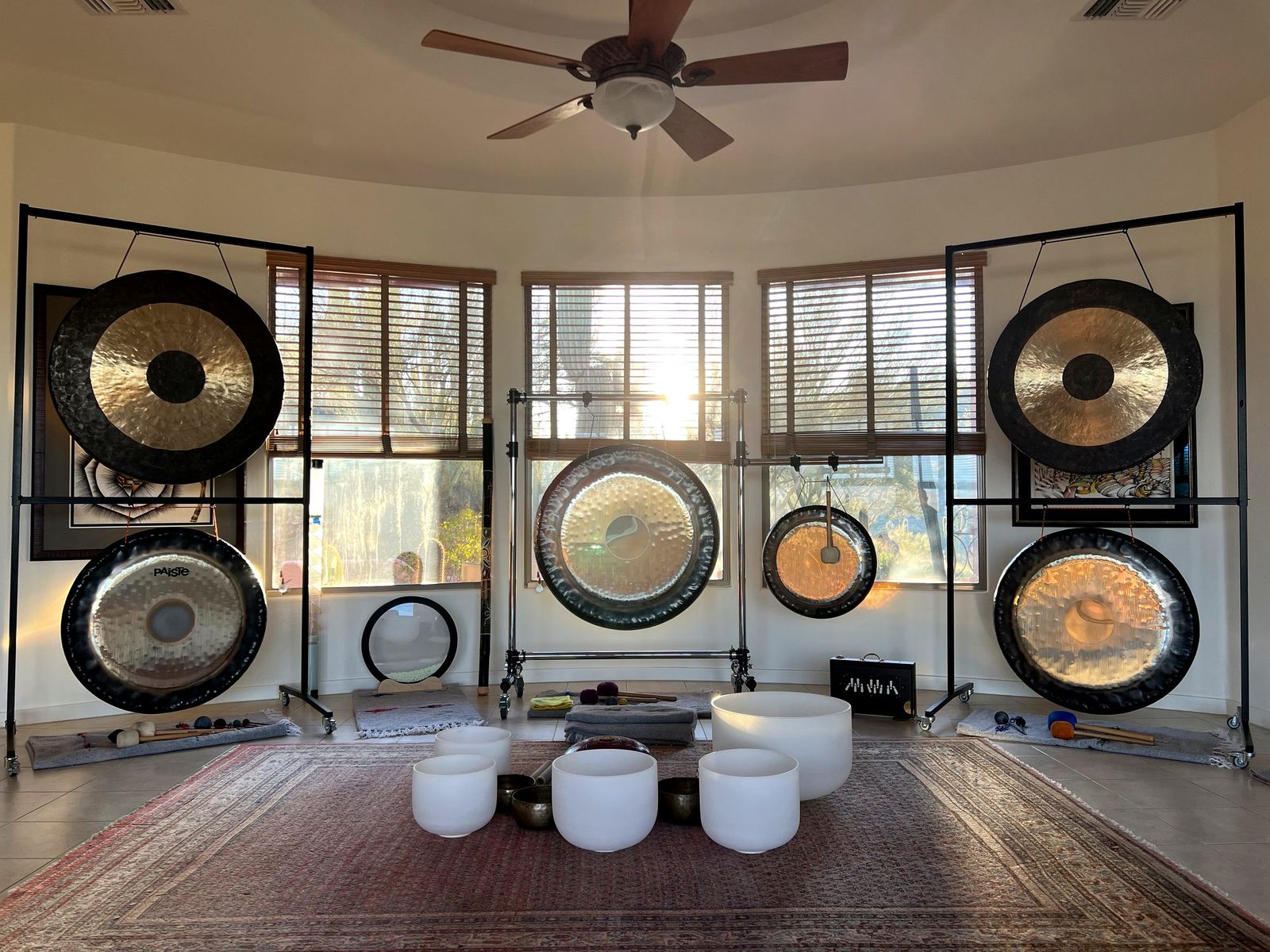
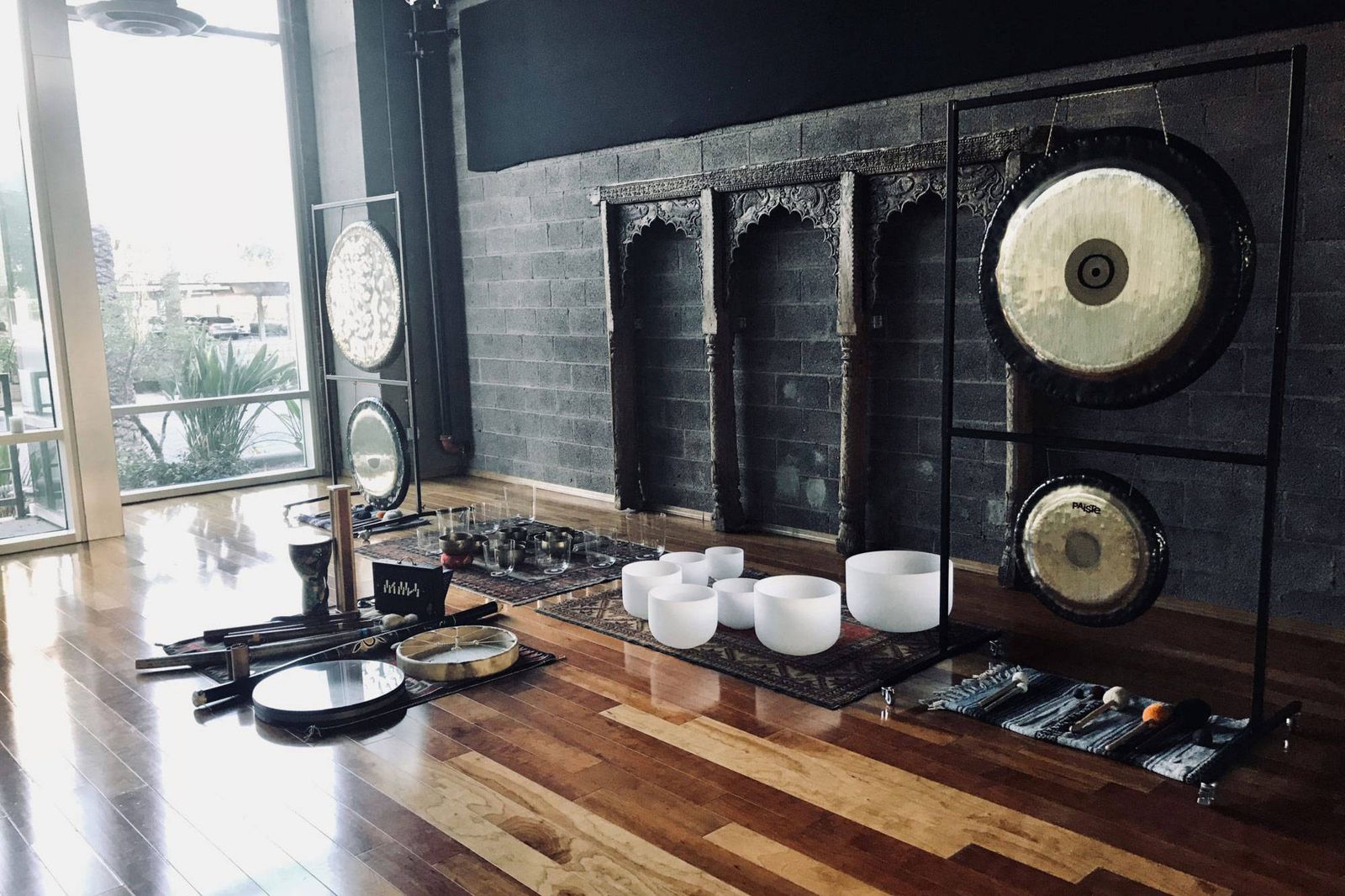
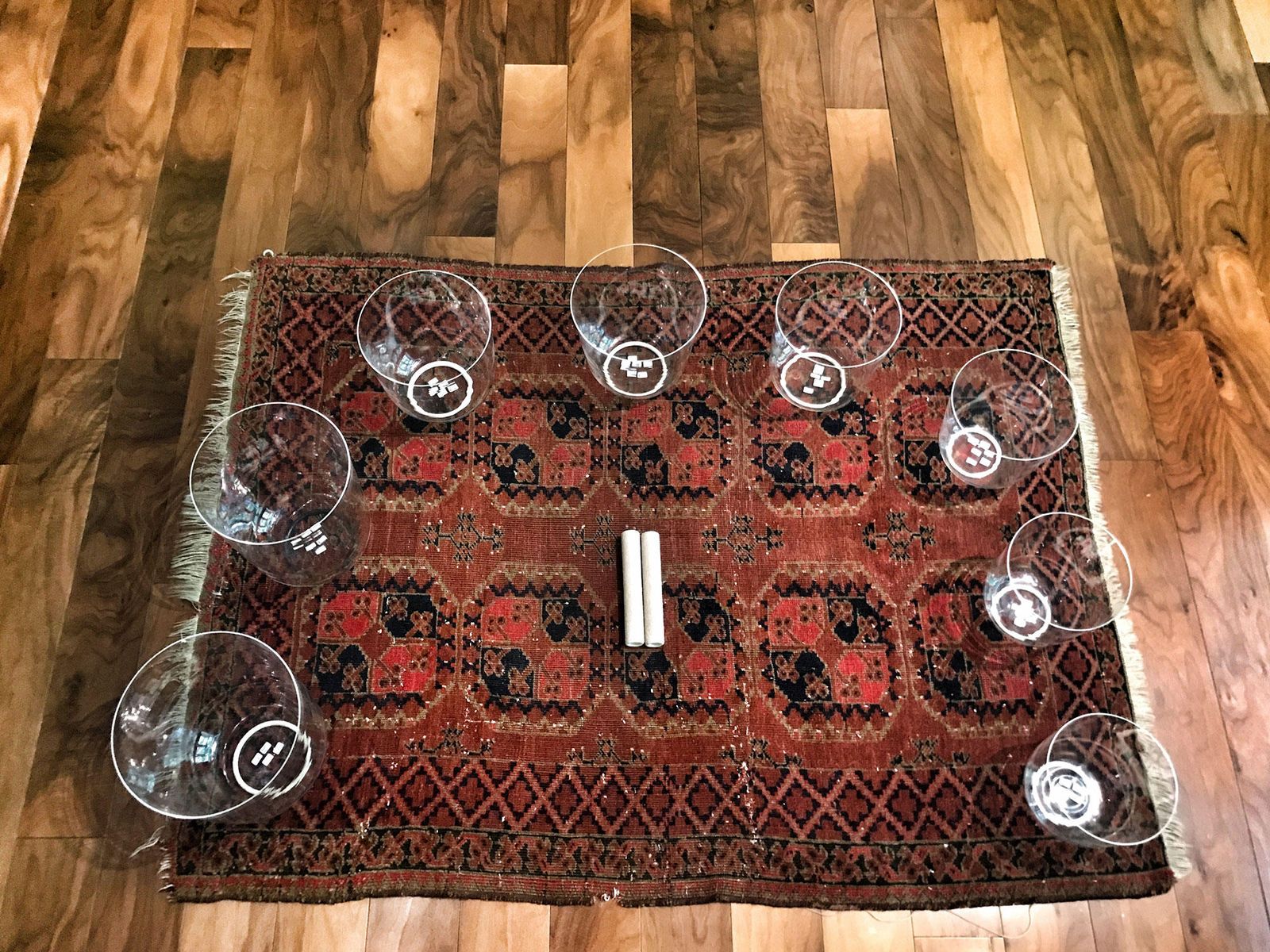
Ordinary rooms, ordinary clothes
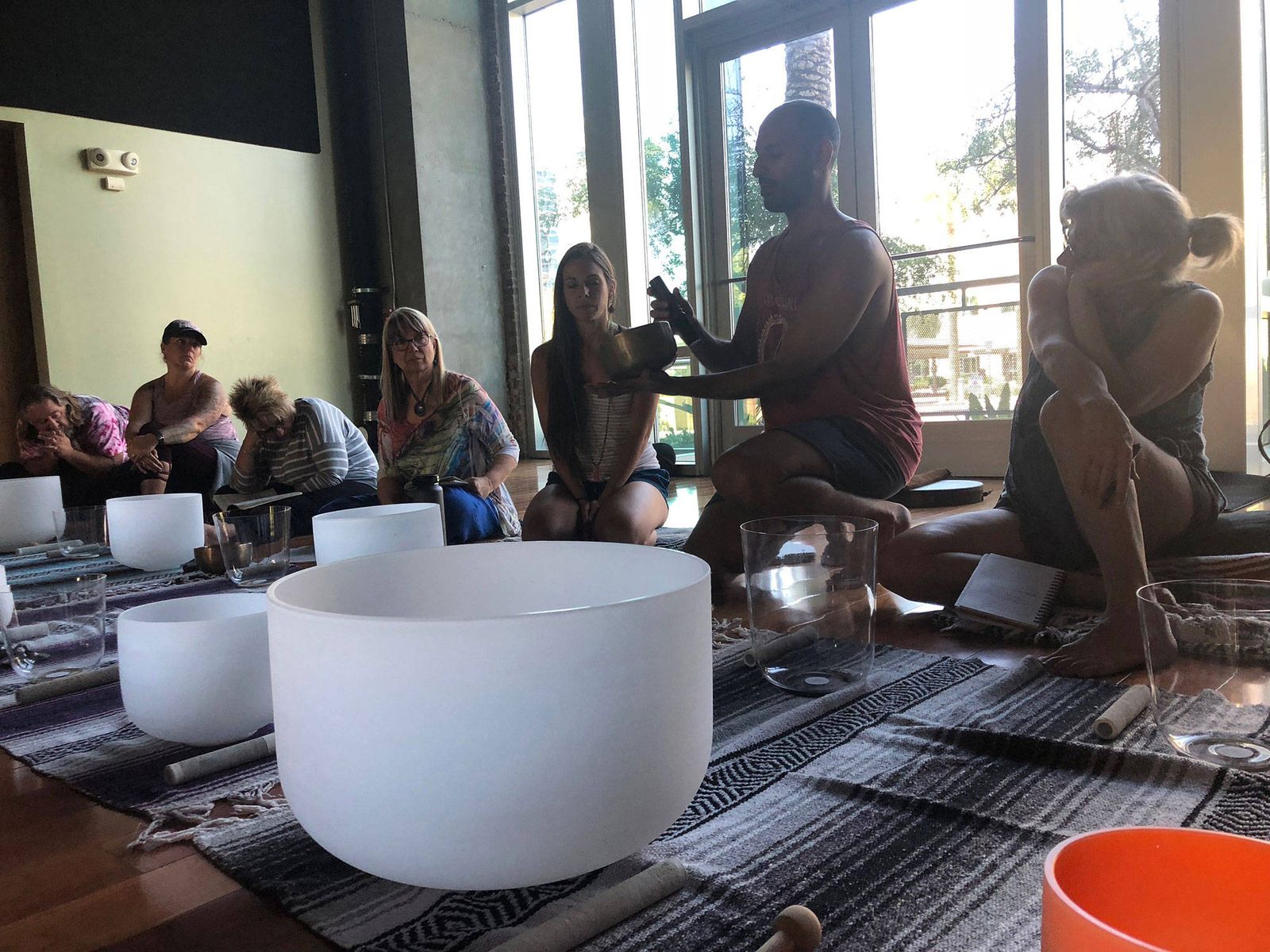
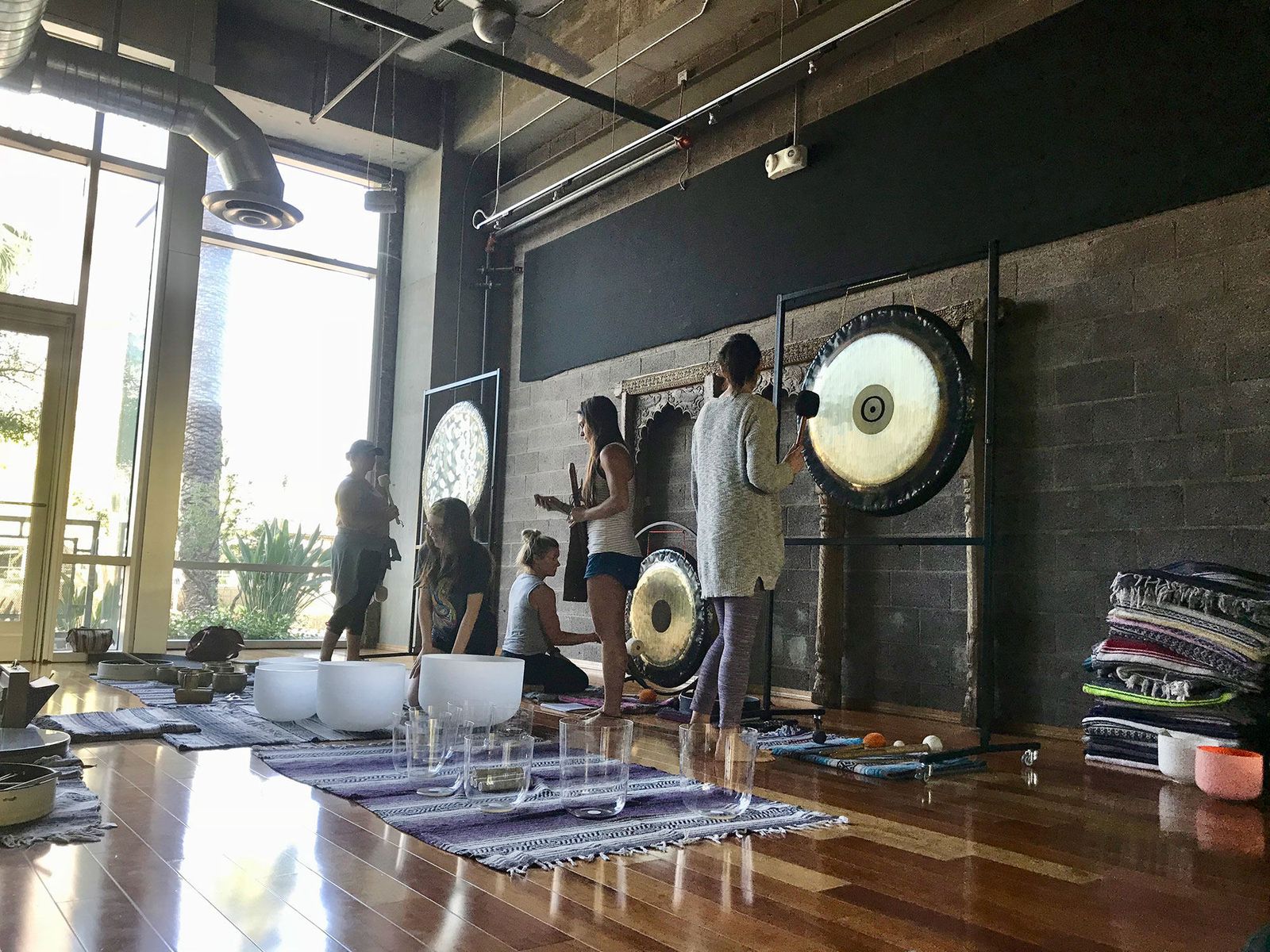
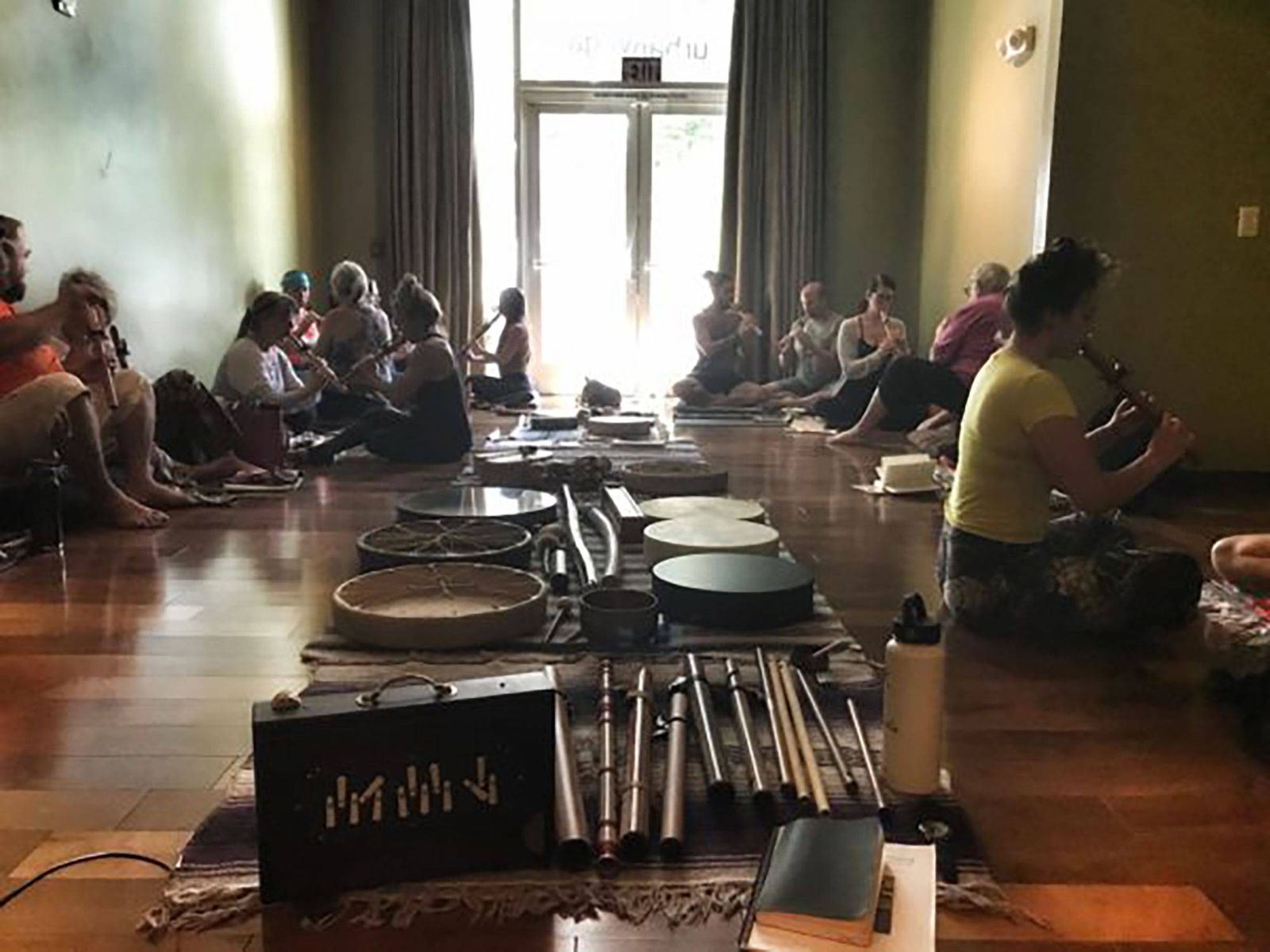
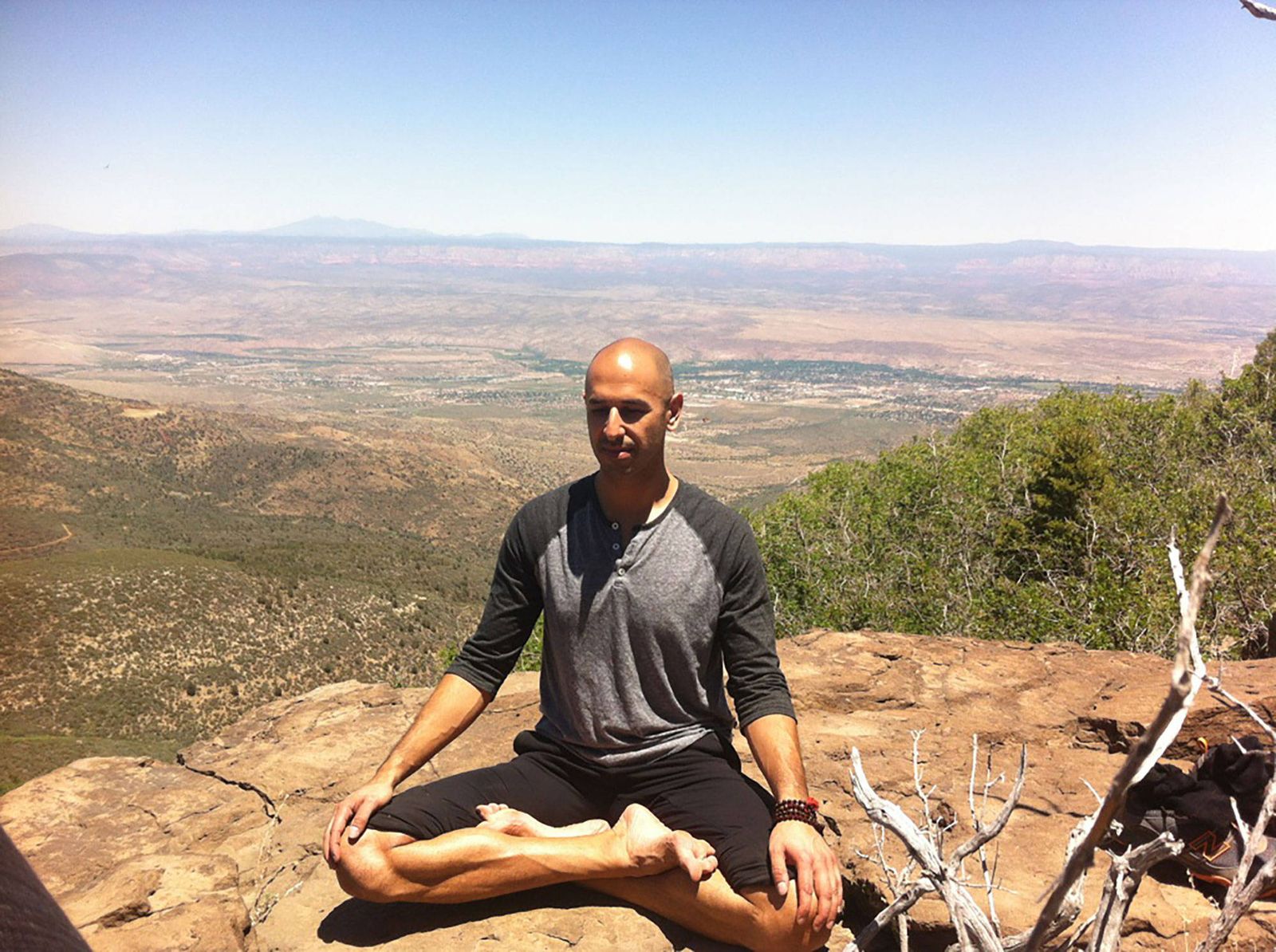
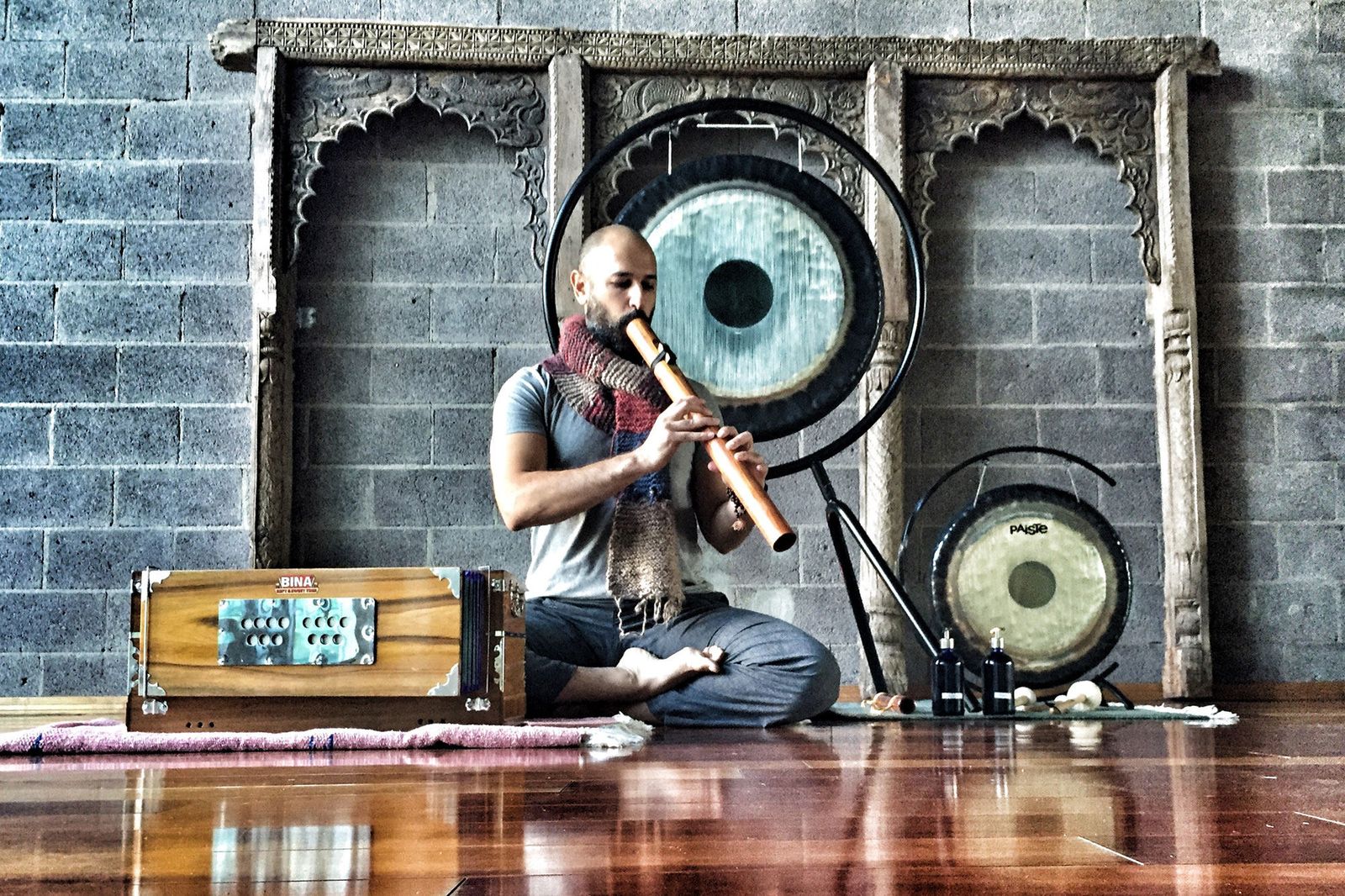
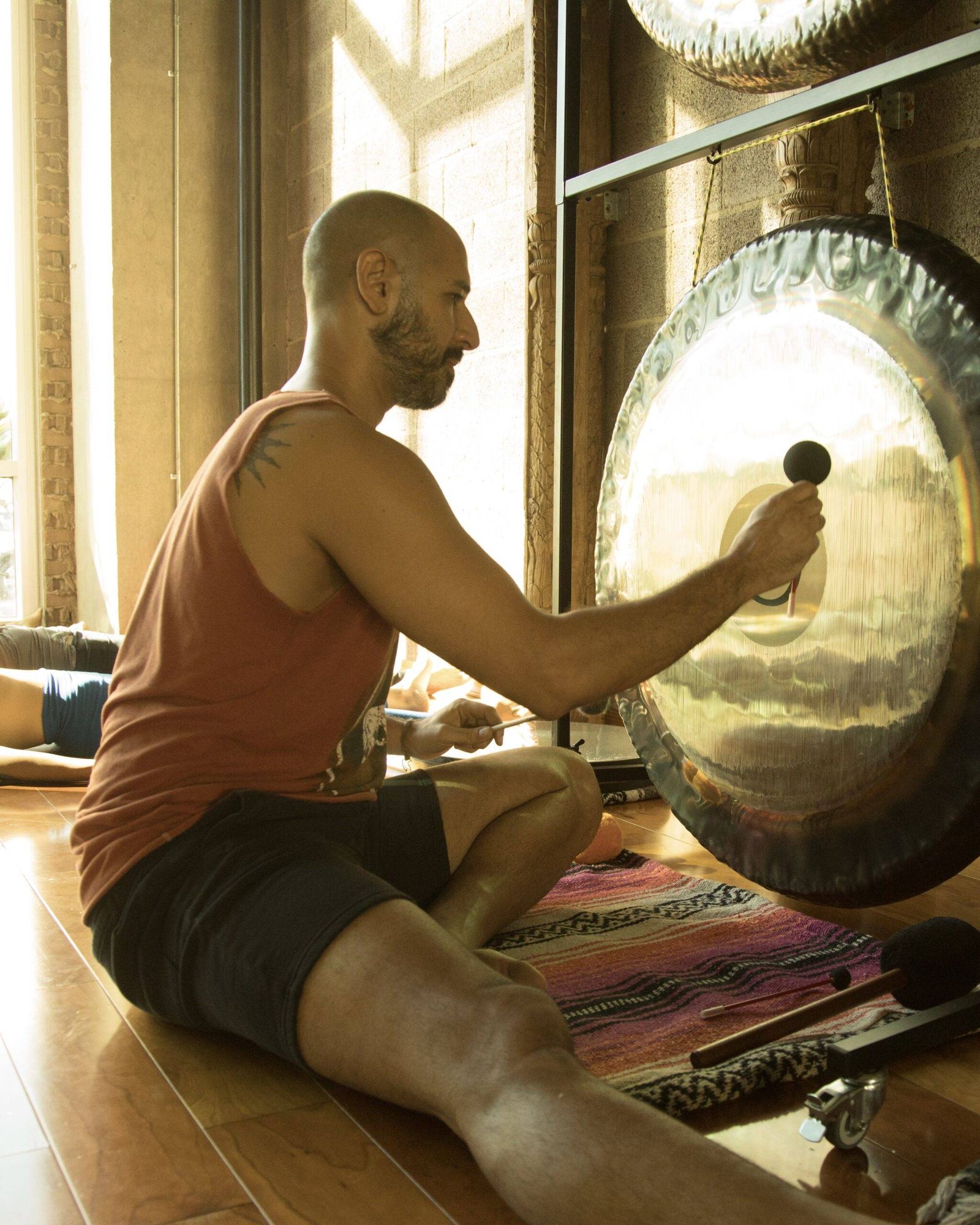
Studio floors, rugs that came from somebody’s house, and instruments picked for what they do to the air in a room.
THE OTHER HALF
What the good ones do instead
Every flag above is somebody moving toward the middle of the room. The people worth studying with move the other way, and they do it in small unglamorous ways that are easy to miss if you are watching the performance.
They give the work back
They tell you what they are about to do and roughly how it works, because a person who understands what is happening to them takes part instead of waiting. They call it what it is, which is usually sound meditation or a sound journey, and both of those name an activity you are doing rather than a service being done to you. They are untroubled by not being the most interesting thing in the room.
They can tell you what they do not know
This is the test I would use if I were allowed only one. Ask somebody what they are still working on. Anybody worth learning from has a real answer and usually a detailed one, often about something they have been failing at for years, and they are glad to be asked. The answer that should worry you is the one that comes back smooth.
Be humble and call it what it is. Put the work back with the person doing it. Learn from people who know enough to know they do not know enough.
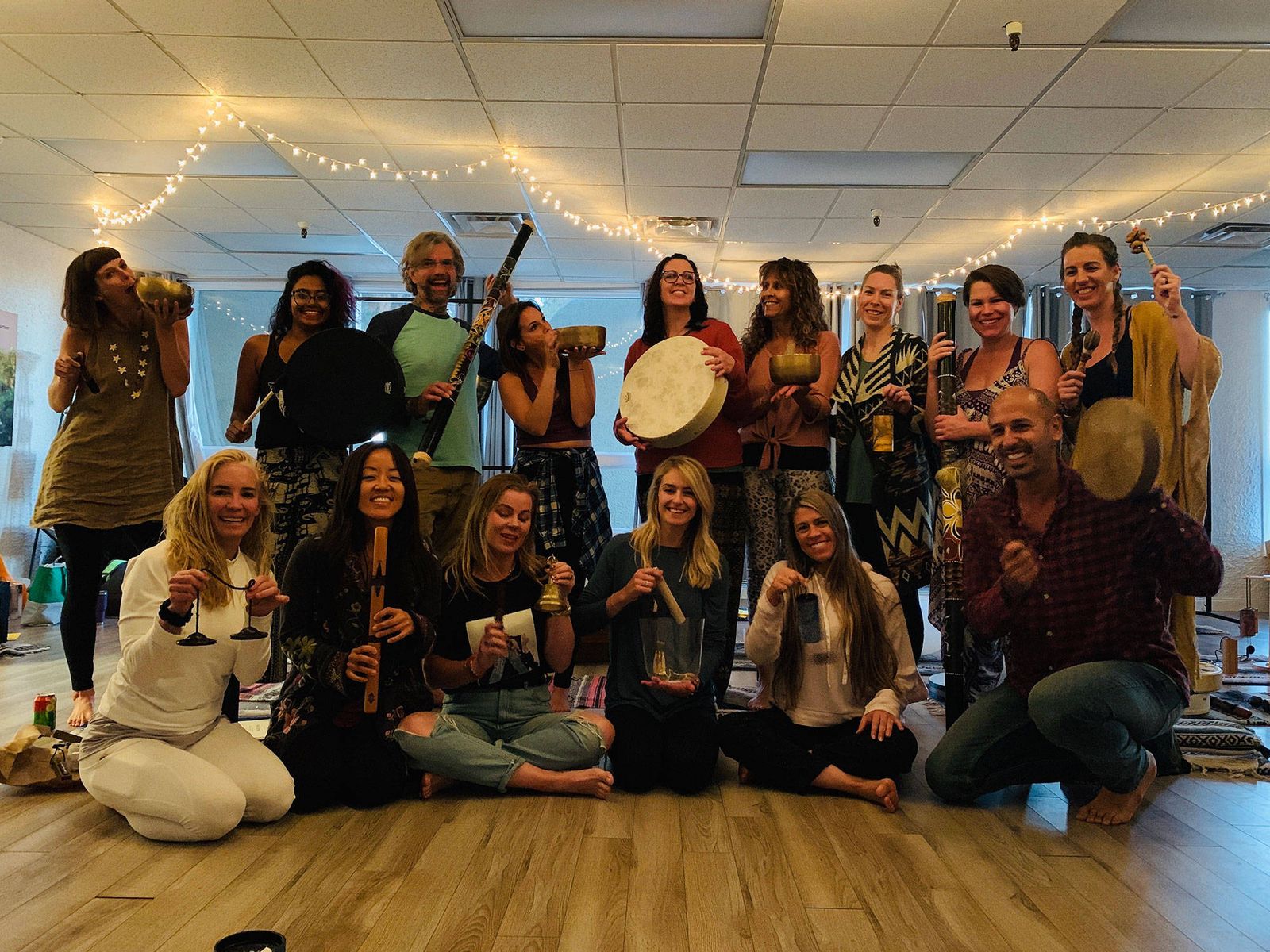
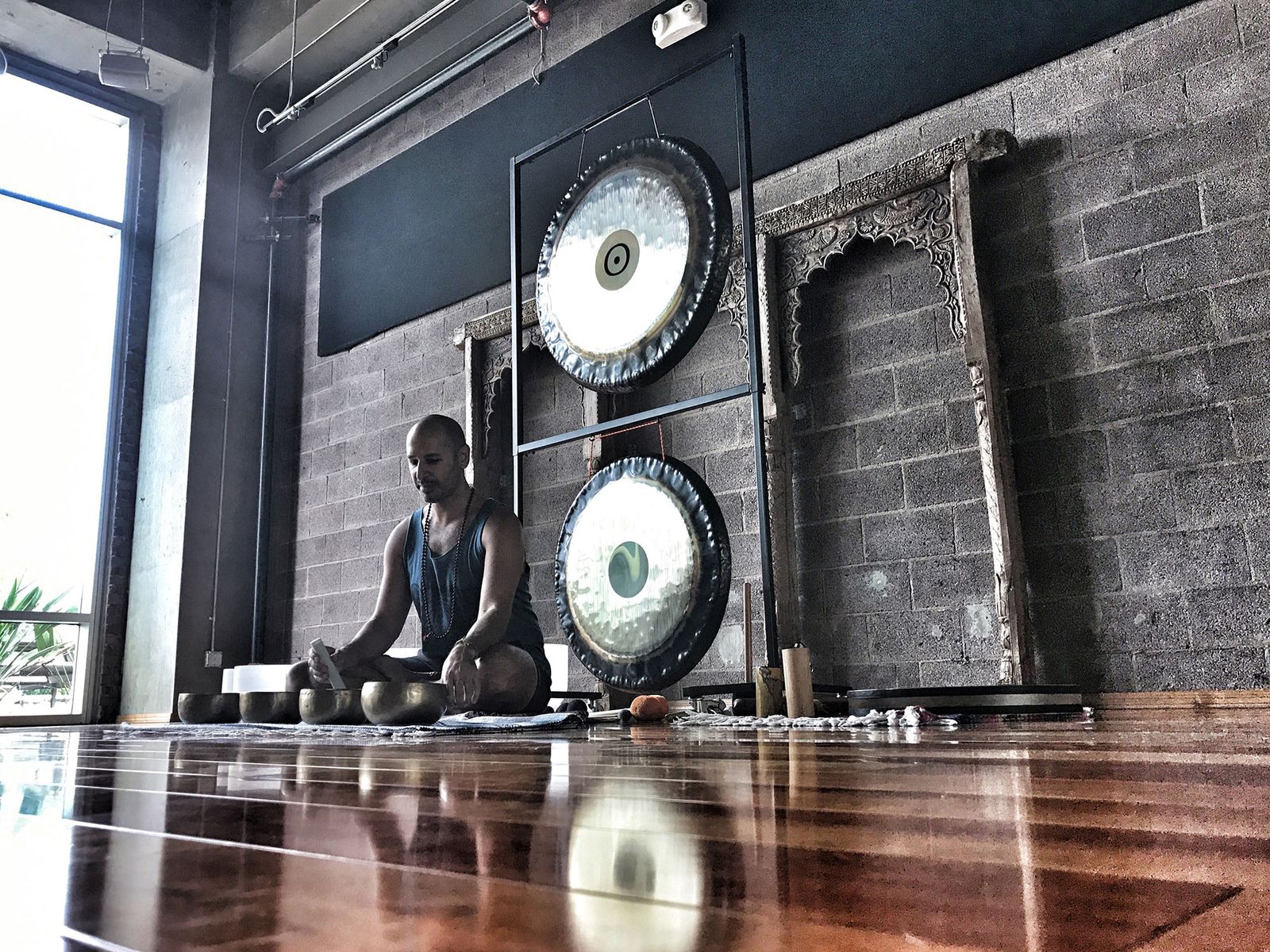
“Nothing in that room heals anybody. The instruments hold your attention still for long enough that you can do something you already knew how to do.”
HAMID
KEEP READING
The rest of the sound writing
What a crystal bowl actually is
Where the glass comes from, what the marketing words are worth, and how to tell one bowl from another with your ears.
The Crystal Tones lawsuit
A federal case made public who really manufactures these bowls, what alchemy colouring is, and what the court decided in February 2026.
Sound meditation
Gongs, bowls, flutes, harmonium and voice, played in a room you are lying down in. What each instrument does and why the tuning matters.
The in person training
Level I. Thirty two hours in a small group, with the instruments in your hands the whole time.
Mentorship
One to one work for practitioners already playing and for people who want to start. We work on what you play and what you are stuck on.
Gatherings around Phoenix
The quickest way to know what this is, with nobody performing at you, is to lie down on a floor while it happens.
LEARN TO PLAY
The online course
Level I filmed in full. Over twenty hours of video and a manual you download and keep, covering gongs, crystal and Himalayan bowls, frame drum, flute, shruti box, chimes and your own voice. It is the same training I teach, and it spends time on everything above, the vocabulary included.
Both in person trainings are on the sound page, and each run is scheduled and priced on its own.